
Custody battles can be very difficult. While a minority of separated families can work things out on their own, the reality is that most parents are best served by having their own Reno, NV family law attorney.
When Should You Hire a Reno, NV Family Law Attorney for Custody Issues?
When You’re Concerned About the Red Tape
Family law is like any other area of law: it’s complicated, bureaucratic, and full of language that only “insiders” can really be expected to understand. There are formal deadlines, and an enormous amount of detailed documentation must be submitted in just the right way by those deadlines. If you miss a deadline or fail to file something correctly, not only can it extend your case for weeks, but you may even find your case harmed. Courts are not flexible, and the law is not forgiving.
When Your Emotions Are Strong
In family law cases, it’s understandable and appropriate to have strong feelings. Custody cases are particularly hard: you’re making decisions that will affect your own life and the life of your children in big ways. The emotional stress of a custody battle can be so great that you may find it difficult to remain calm and make good decisions. That’s exactly what a lawyer is for. Your lawyer is on your side but is not emotionally involved and can give you sound advice even during hard times.
When the Other Parent Already Has a Lawyer
If your child’s other parent already has representation, it’s very important you get your own. You will be at a serious disadvantage if you attempt to conduct negotiations or go into the courtroom without legal help of your own.
When There’s a Family History of Threats, Violence, or Abuse
If there’s been any domestic abuse, threats of violence, or issues with substance abuse in the family, then having a lawyer is extremely helpful. This is true whether you’re the victim or whether you’re a parent who has had issues with anger or substance abuse in the past and are trying to preserve your right to stay involved in your child’s life.
For those who need to stay safe, a lawyer can be a buffer between you and the other parent and handle all the evidence gathering and presentation, protect you during hearings, and file for motions and safeguards like protective orders. Your lawyer will also know how to handle things in ways that don’t put you or your child in an unsafe position. For a parent where anger issues or substance abuse have been a problem in the past, your lawyer can help you show how your past mistakes have been dealt with and aren’t affecting your current ability to parent.
For help with your custody dispute or any family law issue, contact us at the Barber Law Group in Reno, NV to set up a consultation or call us at 775-541-0865. Our team handles all types of family law cases, from the amicable to the most contentious, and we’re ready to provide the type of representation that works for you.
What Role Does a Family Attorney Play in Mediation?
Mediation is a great way for families to resolve issues. It’s typically cheaper, faster, and more private than going through a Reno, NV courtroom to work things out and have a judge make the decisions. But it’s still important to have a family attorney on your side, even as you go into mediation.
Your Reno, NV Family Attorney and Mediation
In a mediation situation, you meet with a neutral third party who is trained in mediation. The mediator’s job is to help you talk together, stay focused on the issues at hand, and reach a compromise that works for everyone. It’s common to use mediation to resolve issues in divorce, child custody and visitation, alimony, property division, and more.A mediator is on no one’s side, and that’s important, but you still need someone on your side, looking out for your interests. Your attorney first makes sure you fully understand all your legal rights and options before you go to mediation. Your lawyer will protect you from accidentally waiving any important rights and will make sure that any proposed agreement is fair and enforceable under Nevada law. Your attorney is also there to ensure the power dynamics of the situation are balanced, advise you about whether something you want to do is going to be acceptable to the courts, and help you brainstorm agreements you can live with.
Preparing You
The first step is for your lawyer to prepare you for mediation. They’ll review all your financial documents, custody issues, or any other items that need to be dealt with. Then your lawyer will help you think through exactly what your priorities are, the legal issues that are at stake, and what kind of compromises you would be willing to come to (and what things would be dealbreakers for you). Your lawyer will also make sure all your documentation is properly prepared.
During the Mediation
It will be up to you and the other party, as well as the mediator, to decide whether lawyers are allowed in the actual mediation sessions. If allowed, your lawyer will be with you in the room, and if not, they will sit in a separate room and give you advice between your mediation sessions. This way your lawyer can review all proposed agreements immediately and help you evaluate any offers.
After Mediation
Once you finish the process, your attorney will help you by reviewing the final agreement. The first thing will be to make sure it’s fair to you and completely accurate. Then, your lawyer will make sure that it follows Nevada law and will be acceptable to the courts. Your lawyer can then submit this to the court for you along with all necessary documents that go with it.For help with mediation or any family law matter, contact us today at the Barber Law Group in Reno, NV.
Divorce is never easy, and the more complex the property you share with your spouse, the harder it is to figure out a fair split and the more opportunity there is for disagreement and hard feelings. An experienced Reno, NV divorce attorney can help enormously in these difficult situations.
Classifying Community vs. Separate Property
The most important initial step is to determine what property is “community” and what is “separate.” The former belongs to both spouses and will by default be split 50/50. The latter belongs to one spouse alone and is not subject to division. This can be extremely complicated to work out, and particularly when there has been a mixing of funds.

Navigating the divorce process can be overwhelming, especially when you are unfamiliar with local laws and procedures. If you’re considering a divorce in Reno, Nevada, this guide aims to clarify the steps involved, ensuring you feel informed and prepared.
Understanding Nevada’s Residency Requirements
Before you can file for divorce in Nevada, you or your spouse must meet the residency requirement. According to Nevada Revised Statutes (NRS) 125.020, at least one party must have been a resident of the state for a minimum of six weeks before filing for divorce. Additionally, a resident witness must provide a declaration to confirm this residency.
Read the rest of this entry »The laws in Nevada when it comes to juveniles are designed to prioritize rehabilitation whenever that’s possible. However, for juveniles who have committed particularly serious offenses or who have repeatedly committed the same offense, there can be some pretty serious penalties, including incarceration. A criminal defense attorney in Reno, NV can help you and your family.
What Are the Penalties for Juvenile Crimes in Nevada?
The bad news first: if a youth is guilty of a particularly serious crime, there’s a good chance they are going to end up incarcerated in a juvenile detention center or a resident treatment facility. But there are some other scenarios.

Child support can be modified if the circumstances of the parents or the child change substantially. However, it is not easy to get a change, and you’ll need to be able to prove why a change is necessary to get the court to sign off. A family attorney in Reno, NV can help you get the change you need from the court.
Child support can be changed under the “substantial change” rule in Nevada law. Under this rule, if there has been a substantial change in circumstances, a child support modification can be ordered.
However, the courts do not like to make these changes lightly. It must be clearly proven that your situation qualifies.
How to Request a Change
Either parent can request a change, and in most cases the basic requirement is that there must be a 20% or greater change in income on the part of one of the parents for the change to even be considered. The exception is, of course, if you can prove a substantial change of another type. Some of the most common acceptable substantial changes include the birth of a new child or if the child who is being supported becomes emancipated.

Navigating the complexities of divorce can be daunting, especially in Reno, NV, where local laws and procedures can impact the process significantly. At Barber Law Group, we understand the challenges you face and are here to provide clarity, guidance, and support. Here are seven crucial things you need to know before filing for divorce in Reno.
1. Understanding Nevada’s Residency Requirements
Before you can file for divorce in Reno, you must meet Nevada’s residency requirement. One of the spouses must have lived in Nevada for at least six weeks prior to filing. This is a legal stipulation designed to prevent people from coming to Nevada solely to take advantage of its divorce laws.
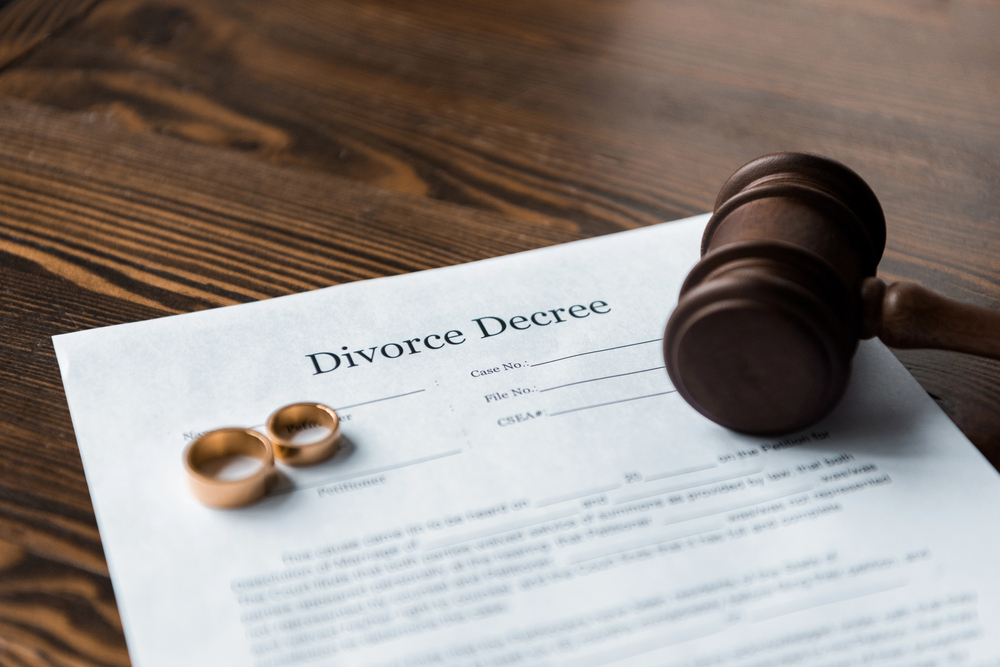
Custody battles are always difficult, but however hard your spouse may be making things for you, you do have legal rights in Reno, NV. The child’s other parent cannot simply cut you out of the child’s life, and your parental rights can only be taken from you in very specific circumstances. Talk to a child custody attorney as soon as possible to get help with your case.
The Right to Equal Custody and Responsibility
The law does not discriminate for or against either parent. Until the court has rendered a decision otherwise, each parent automatically enjoys joint legal custody and joint physical custody of the child. This means that, until there is a court order in place, parents must coparent and allow the other to be involved in decisions about the child’s life. The court will always presume that joint custody is the best thing for the child until evidence is presented to the contrary. This means that if you wish to get sole custody, you will need to prove clearly with evidence that it is in the best interest of your child for their other parent not to share custody. This also means that if the other parent is trying to take custody away from you, they have a high bar to reach, and you have the right to enjoy all your custody and responsibility rights until such time as they meet that bar to the court’s satisfaction. If your child’s other parent is trying to block your right to custody and decision-making, talk to us immediately about what steps to take next.

When Should You Hire a Family Lawyer for Divorce?
When your marriage begins moving toward divorce, it’s important to secure the legal representation you need to protect your future interests. Knowing when to hire a family lawyer can significantly affect the outcome of your case. You do not need to wait until a dispute escalates; early legal advice from a child custody attorney in Reno, NV can help you prevent missteps.
Filing or Responding to a Divorce Petition
If you intend to file for divorce in Nevada, you should consult a family lawyer before formally initiating the case. Doing so allows you to understand your obligations under Nevada’s community property laws and ensures your initial filings are accurate. If your spouse files first, you must respond within a limited timeframe. In Nevada, you have 21 days to respond to being served for divorce by your spouse. Retaining legal counsel immediately helps you meet filing deadlines and respond in a way that preserves your interests.
How Can You Modify Child Support?
Nevada law has specific guidelines regarding child support, but there are circumstances under which parents can apply for a modification. If you’re unsure how to begin, a family attorney in Reno, NV, can help you get started and provide invaluable support during the legal process. Below, the Barber Law Group explains the most important information you need to know about child support modifications under Nevada law.
Criteria for Child Support Modification in Nevada
Existing child support orders aren’t set in stone. If you wish to modify how much support you’re currently paying or receiving, a lawyer can help you petition the court for a change. You may be eligible to modify child support if you meet the following eligibility criteria outlined under Nevada law.

Connect with us


