
Blog / Child Custody

How Is Child Custody Decided in a Divorce?

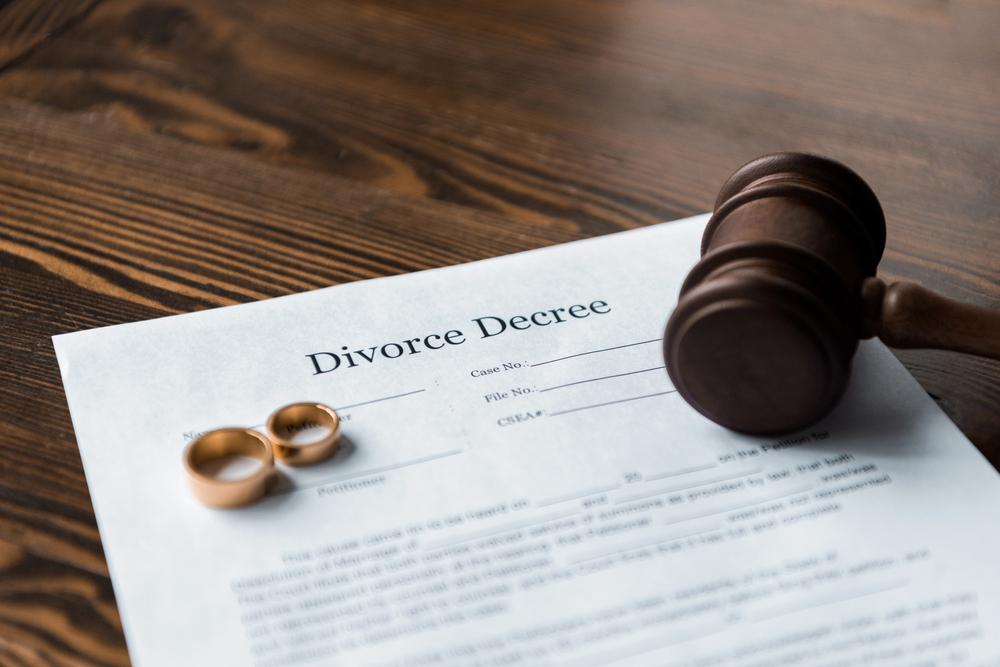
Are you dealing with questions of child custody in a divorce? A juvenile crimes attorney in Reno, NV explains how child custody is generally determined.

Legal vs. Physical Custody

Legal custody is the right and responsibility for making major decisions that affect the child's life. This could mean decisions regarding healthcare, education, and religious upbringing, among others. Nevada law assumes that joint legal custody is in the child's best interest, and will consider this to be the default unless there is clear evidence indicating that one parent is unfit.

The court may assign physical custody, i.e., where the child will primarily reside, as sole, primary, or joint. Sole custody, of course, means that a child lives with only one parent. Primary physical custody means that a child lives with one parent more than 60% of the time. Joint physical custody means that the child spends at least 40% of the time with each parent. Nevada's general policy is to maintain a child's ongoing relationship with both parents and to encourage parents to share rights and responsibilities in raising the child. However, the best interests of the child guides this decision.

Several Key Factors in Determining a Child's Best Interests

The Child's Wishes and Relationship with Each Parent

The wishes of the child are taken into consideration if the child is of sufficient age and capacity to express and intelligent preference. Their relationship with each parent is also a determining factor. This would mean not only the child's bond to a parent, but also each parent's ability to provide care and guidance.

Health and Moral Fitness

The court will evaluate the physical and mental health of both the child and the parents. The reason for this is the impact of a parent's or child's physical and mental health on a parent's ability to care for the child. The character of each parent will also be considered. The assumption is that a parent's moral character will affect the child, not only in how the parent cares for the child, but also in how a child's character will be formed, based on who they spend time with.

Effect of Disruption 

Another factor is the child's stability in the current environment, including academic performance, but also life in the community and at home. The court will consider what the impact would be of changing the child's living arrangements and how that might affect their stability. The assumption is that maintaining a stable environment is best for a child's wellbeing.

Developmental Needs of the Child 

The age of the child will be considered, with a view toward what needs they have in that stage of development. This encompasses all age-specific needs, ranging from education to emotional support.

Parental Preference and History of Misconduct

The court will consider the preferences of the parents, although this is not a determining factor. A significant factor, of course, will be any history of abuse or neglect, any attempts or acts of child abduction by a parent, and, of course, any history of domestic violence toward the child or others in the home.

If you are in the midst of a divorce and are trying to determine child custody, contact the Barber Law Group in Reno, NV.
Posted in:

Related Posts

Reno Divorce

Divorce in Reno: 7 Things You Need to Know Before Filing

Navigating the complexities of divorce can be daunting, especially in Reno, NV, where local laws and procedures can impact the process significantly. At Barber Law Group, we understand the challenges you face and are here to provide clarity, guidance, and support. Here are seven crucial things you need to know before filing for divorce in Reno. 1. Understanding Nevada's Residency Requirements Before you can file for divorce in Reno, you must meet Nevada's residency requirement. One of the spouses must have lived in Nevada for at least six weeks prior to filing. This is a legal stipulation designed to prevent people from coming to Nevada solely to take advantage of its divorce laws. more 2. No-Fault Divorce State Nevada is a no-fault divorce state, which means you do not have to prove wrongdoing by your spouse to file for divorce. The most common ground cited is incompatibility. This simplifies the process, focusing on resolving issues like asset division, child custody, and support. 3. Community Property Laws Reno, like the rest of Nevada, follows community property laws. This means that any assets or debts acquired during the marriage are typically divided equally between spouses. Exceptions include property owned before marriage or acquired by gift or inheritance. 4. Child Custody Considerations When it comes to child custody, the court's primary concern is the best interests of the child. Factors include each parent's relationship with the child, the child's needs, and the ability of each parent to meet those needs. Reno courts encourage co-parenting arrangements that allow both parents to remain actively involved in their child's life. 5. Spousal Support or Alimony Spousal support, also known as alimony, may be awarded in Reno divorces to help the lower-earning spouse maintain a similar standard of living post-divorce. The court considers various factors, including the duration of the marriage, financial condition of each spouse, and the contribution of each to the marriage. 6. Filing Process and Legal Assistance The divorce process begins with filing a complaint in the appropriate district court. It’s advisable to seek legal assistance to ensure all paperwork is correctly filled out and submitted. At Barber Law Group, our experienced attorneys can guide you through each step, ensuring your rights are protected. 7. Importance of Mediation Mediation is often encouraged to resolve disputes amicably without resorting to a trial. This process can save time, reduce costs, and provide a more amicable resolution to contentious issues. Our team at Barber Law Group can assist in facilitating productive mediation sessions. Divorce is a significant life change, and having the right information can make all the difference. At Barber Law Group, we are committed to providing expert legal support tailored to your unique situation. If you're considering filing for divorce in Reno or need further assistance, contact us today for a consultation. Let us help you navigate this challenging time with confidence and peace of mind.

When Should You Hire a Family Lawyer for Divorce?

When your marriage begins moving toward divorce, it's important to secure the legal representation you need to protect your future interests. Knowing when to hire a family lawyer can significantly affect the outcome of your case. You do not need to wait until a dispute escalates; early legal advice from a child custody attorney in Reno, NV can help you prevent missteps. Filing or Responding to a Divorce Petition If you intend to file for divorce in Nevada, you should consult a family lawyer before formally initiating the case. Doing so allows you to understand your obligations under Nevada's community property laws and ensures your initial filings are accurate. If your spouse files first, you must respond within a limited timeframe. In Nevada, you have 21 days to respond to being served for divorce by your spouse. Retaining legal counsel immediately helps you meet filing deadlines and respond in a way that preserves your interests. more Handling Complex Property Division Nevada is a community property states, which means all debts and assets acquired during the marriage are presumed to be jointly owned. When you have real estate, business interests, retirement accounts, or investment portfolios involved, the division process becomes more technical. A divorce lawyer can help you classify what counts as separate versus marital property, trace the origin of funds, and ensure a fair distribution in court or through settlement negotiations. Addressing Child Custody and Support Disagreements Child custody disputes often trigger emotional and legal complications. If you and your spouse disagree on parenting time, decision-making authority, or relocation, a lawyer becomes necessary to advocate for your parental rights under state law. Child support determinations also involve financial disclosures, employment verification, and specific statutory formulas. With an attorney's help, you can ensure calculations comply with state guidelines and that all income sources are properly accounted for. Protecting Against Spousal Misconduct or Abuse If your divorce involves allegations of domestic violence, emotional abuse, substance abuse, or financial concealment, you should involve a lawyer as soon as possible. Nevada courts allow for protective orders and temporary restraining orders in such cases, and you must follow proper procedures to obtain those orders. A lawyer can file emergency motions on your behalf and collect evidence that supports your claims in custody or alimony proceedings. Hiring a family lawyer early in the divorce process ensures you do not give up rights or expose yourself to future disputes. We help clients across Nevada take informed legal steps based on their individual needs and the specific legal standards of our state. If you're facing divorce, timing your decision to hire counsel can give you an advantage that lasts well beyond the final decree. Schedule a consultation with us today at Barber Law Group in Reno, NV, to hear how legal representation can help you plan for your future.

How Can You Modify Child Support?

Nevada law has specific guidelines regarding child support, but there are circumstances under which parents can apply for a modification. If you're unsure how to begin, a family attorney in Reno, NV, can help you get started and provide invaluable support during the legal process. Below, the Barber Law Group explains the most important information you need to know about child support modifications under Nevada law. Criteria for Child Support Modification in Nevada Existing child support orders aren't set in stone. If you wish to modify how much support you're currently paying or receiving, a lawyer can help you petition the court for a change. You may be eligible to modify child support if you meet the following eligibility criteria outlined under Nevada law. more 1. Has Your Income Increased or Decreased? In Nevada, a parent may apply for a child support modification when their income has either increased or decreased by at least 20%. It's important to note that this doesn't guarantee the request will be approved. However, the court will take the time to consider the application and decide if a change in the amount of support is appropriate. 2. Have Three Years Passed Since the Last Support Order? The law in Nevada allows for a reevaluation of child support every three years, even if there hasn't been any big change to either parent's income. You can expect the judge to examine the financial status of both parents when making their decision. This usually includes information like pay stubs, total income, monthly expenses, and the child's financial needs. 3. Has Your Child's Needs Changed Considerably? As children grow up, their needs evolve frequently. In cases where there has been a significant shift in a child's needs, the court may consider modifying the current support arrangement. Qualifying circumstances could include their schooling and education, developmental necessities, or medical care. 4. Has There Been a Change in Custody Arrangements? A parent may also be eligible to seek a child support modification if there's a change in their current custody agreements. This may include situations where there's a switch of the primary caregiving responsibilities, physical custody of the child, or if one parent becomes incarcerated. How Can a Family Attorney in Reno, NV, Help with a Child Support Modification? Parents in Nevada have two options if they wish to make an official and legally recognized change to their financial obligations for child support. The first is a mutual agreement between both parents. They must then file their new modification agreement with the court system. If one parent doesn't want to change the current support order, the other parent must file a motion with the court for a modification. Then, a judge will review the request and evidence before deciding. In either situation, having the knowledge and skill of an experienced family lawyer is invaluable. They can help you gather evidence, fill out the necessary documents, and file the correct forms. You'll have strong legal representation to protect your rights and fight for your child's best interests. If you need a family attorney to help you start the child support modification process in Nevada, we're ready to answer your call. Contact Barber Law Group in Reno, NV, now at (775) 541-0859 to schedule a consultation with our team.